


You’re surrounded by colleagues. So Why Does Medicine Feel So Isolating?
Medicine is full of people. Wards, clinics, meetings, handovers. And yet ask almost any physician, at almost any career stage, and they’ll tell you the same thing: it can be a profoundly isolating profession.
You’re surrounded by colleagues and still carrying things alone.
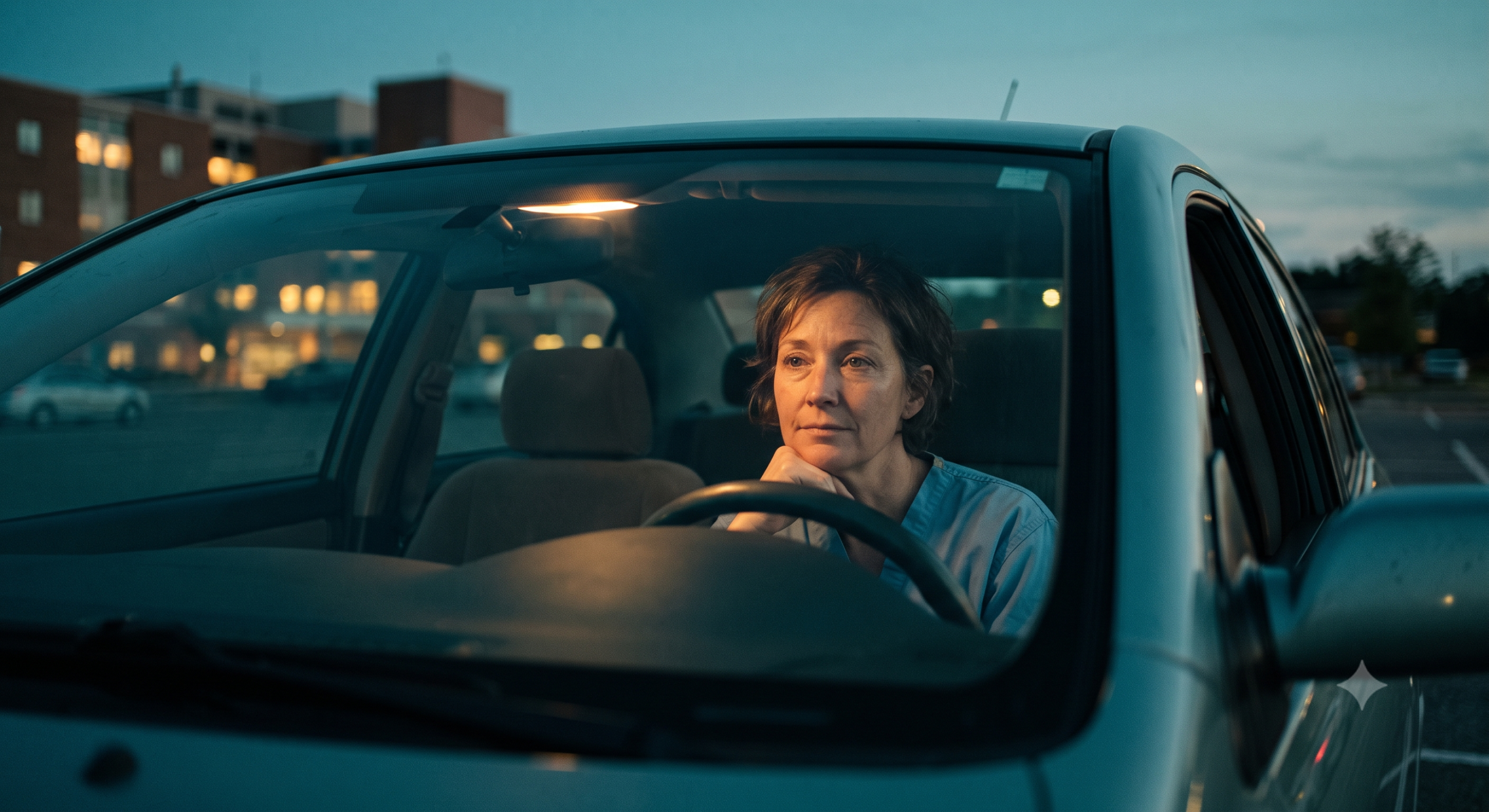
The conversation about physician burnout has been running for years now. Awareness is no longer the problem. Most doctors can name the signs. What’s missing is the next step, what actually helps. Not at the system level alone, where change is slow and complex, but for the individual physician sitting in the car park at 7 pm, wondering if this is sustainable.
Why the usual answers fall short
The long-term solution to physician well-being lies in improving the systems doctors work within. But changing healthcare systems is complex, incremental, and measured in years, not months nor weeks. While that work continues, physicians still need support designed for the realities of clinical life: the weight of clinical responsibility, the culture of stoicism, the genuine scarcity of time, the pressure of exams, training requirements, and life layered on top of patient care.
The challenges physicians face deserve more than adapted solutions. They deserve support designed from the ground up for medicine.
What the evidence shows
Coaching, structured, professional, delivered by people who understand clinical contexts, is one of the few individual-level supports with published evidence behind it. Capstan’s research, published in Occupational Medicine (2025), examined a brief virtual coaching program for senior hospital doctors. Participants reported reduced psychological distress and improved well-being and flourishing. Every single participant said they would recommend the program to colleagues.
One distinction matters here. Coaching is not therapy, clinical supervision, or medical advice. It is professional development, a structured way to build self-awareness, emotional regulation under pressure, and practical strategies for the real challenges of clinical and leadership life. For many physicians, that’s precisely the kind of support they’ve never been offered.
Connection is part of the answer
Isolation compounds everything else. That’s why peer-based group-coaching formats matter. Capstan’s PEER Program (Peer Engagement, Exploration, and Reflection) brings clinicians together in structured, facilitated conversations, in cohorts for clinical leaders, rural, regional & remote clinics, supervisors of training, trainees, and nurses. Delivered virtually. Facilitated by coach-trained clinicians. A psychologically safe space to think, reflect, and grow with peers who genuinely understand.
Because no two physicians carry the same load. But you don’t have to carry it alone.
A practical first step
Capstan Partners is now an official partner of the Royal Australasian College of Physicians, listed on the RACP Member Benefits platform. RACP members receive a 10% discount across all Capstan coaching and programs – 1:1 virtual coaching, the PEER and the SWITCH Programs: – all evidence-based, all CPD-eligible.
The hardest part is usually just beginning. If you’ve been wondering whether now is the right time to invest in yourself, perhaps it is.
RACP members: explore the partnership and register your interest via the RACP Member Benefits portal